Every personal injury case in Waco starts with a moment that doesn’t give you time to think. A pickup changes lanes on I‑35 and clips your sedan. A distracted driver runs a light at Valley Mills. A fall at a grocery store turns into a fractured wrist and weeks off work. The next steps do not announce themselves. You get stitched up, exchange insurance information, and trust the system to work. Then the letters arrive, the adjuster calls, and what felt straightforward suddenly bends against you.
A seasoned Waco personal injury lawyer brings order to that uncertainty. Not by waving a statute at it, but by doing the ground work that shifts leverage: gathering proof before it disappears, forcing insurers to put positions in writing, and valuing your losses with the discipline of someone who has seen hundreds of claims run their course. If you are reading this after an accident, here is how protection actually happens in practice, and how to make smart choices while you still have a say.

What makes Waco cases different
Waco sits at a busy intersection of highways, freight, and growth. The McLennan County docket moves briskly, but insurers know the local jury pool leans practical. That shapes settlement posture. I have watched an offer jump after a credible Waco-based orthopedic specialist tied an MRI to an auto collision, and I have seen offers stall because a claimant treated sporadically or skipped recommended therapy. The geography matters too. Collisions on I‑35 often involve commercial carriers or delivery vehicles, which opens up layers of coverage and federal safety rules that don’t apply in a simple fender bender on Bosque Boulevard.
Venue also matters. Filing in McLennan County triggers local scheduling orders and mediation expectations. Venue can shift if a defendant is out of county or a business, but most injury suits tied to a Waco crash stay here. A lawyer who practices locally knows which judges enforce discovery deadlines to the day, which mediators can crack a stalemate, and how long it takes to secure medical records from common providers in town.
The first 72 hours: protecting your health and your case
The first three days set the tone. Medical care comes first. If you don’t feel right, go in. Emergency rooms at Ascension Providence or Baylor Scott & White will document your complaints, which closes the door on the insurer’s favorite refrain: if you were really hurt, you would have sought treatment right away. Do not minimize symptoms. If your knee hurts when you climb stairs, say so. A medical record built on candor becomes the backbone of a claim.
Preserving evidence runs right alongside care. Photos of vehicles, the scene, and visible injuries carry real weight later. Skid marks fade after a rain. Surveillance video at a nearby store can loop within days. Witnesses forget. An experienced Waco auto accident lawyer will send letters to preserve evidence and request recordings from TxDOT traffic cameras or nearby businesses before they purge routine footage. If the crash involved a commercial vehicle, counsel will also demand that the company preserve the truck’s electronic control module data and driver logs.
The insurer often calls quickly, sounding helpful. This is not a neutral conversation. Short, polite responses are fine, but do not give a recorded statement before counsel reviews your case. You are not required to let the other driver’s insurer record you. A single misplaced phrase, like “I didn’t see them,” can anchor a later argument that you were distracted.
How a Waco personal injury lawyer actually builds leverage
People imagine the job starts with a demand letter. That comes later. Early leverage comes from details: the right medical records, precise wage documentation, and a liability story that can stand up on cross‑examination. Here is what that looks like behind the scenes.
Liability proof. Texas uses proportionate responsibility. If you are found 51 percent at fault, Thompson Law you recover nothing. If you are 20 percent at fault, your recovery is reduced by that amount. A Waco car wreck lawyer will work to lock down the negligence narrative while it is still fresh. That might mean tracking down the driver who stopped to help and left without giving a statement, or canvassing nearby shops for surveillance footage that catches the light sequence. Where crashes occur at problem intersections, counsel may pull prior collision data to show a pattern that makes a driver’s speed or lane choice unreasonable.
Medical causation. Insurers will often accept that you were hurt, but they will fight about what the crash caused. Soft tissue injuries get dismissed as “strain” that should resolve in a few weeks. Prior conditions get blamed. Causation is won with medicine, not adjectives. A lawyer who handles these cases routinely will secure treating physician opinions that tie objective findings to the mechanism of injury. If a cervical MRI shows a new C5‑C6 herniation, counsel pushes for language that explains why the crash more likely than not aggravated or caused it, even if you had some degenerative changes before.
Damages documentation. The difference between a fair settlement and a lowball offer is often paper, not passion. Gross wage loss is not enough; insurers ask for verification of time off and rate of pay. If you are self‑employed, tax returns and invoices tell the story better than a handwritten estimate. Medical bills in Texas must be proven reasonable and necessary. A lawyer will use affidavits that make bills admissible and preempt fights over inflated charges. For future care, treating providers or a life‑care planner can outline costs for injections, physical therapy, or surgery down the road.
Insurance coverage mapping. Waco roads carry everything from student drivers to oilfield rigs. Policies vary wildly. Your lawyer should identify every possible layer: the at‑fault driver’s liability limits, any employer or commercial coverage if a vehicle was used for work, your own uninsured and underinsured motorist coverage, med‑pay or PIP, and health insurance subrogation rights. I have seen cases move from a frustrating $30,000 liability limit to a realistic six‑figure range once a delivery company’s policy entered the conversation. You do not find those layers by assumption. You find them by demanding coverage disclosures and cross‑checking vehicle ownership and employment status.
Timing and the statute of limitations
Texas generally gives you two years from the date of injury to file suit. Miss the deadline and your claim is almost always gone. A few exceptions exist for minors or claims against government entities, which have shorter notice requirements. I advise clients not to confuse claims handling with protection of rights. Negotiations can take months, but the clock never stops. If an insurer drags its feet or debates liability while the two‑year mark approaches, a Waco personal injury lawyer will file suit to preserve the claim and keep negotiating afterward.
Filing sooner is not always better. Many cases settle better after you reach maximum medical improvement, which can take months if you need surgery or extensive therapy. Settling too early sells future losses short. On the other hand, filing can force the defense to take you seriously, trigger discovery, and line up a trial date that puts a real deadline on the table. Strategy depends on injury severity, treatment trajectory, and coverage limits.
What insurers really look at when valuing your case
Insurance companies run data models, but adjusters are still people. They weigh credibility. They look for consistency. They track whether you followed medical advice or skipped weeks of therapy. Gaps in treatment give them ammunition. So do social media posts that undercut your pain narrative. In Waco, adjusters are familiar with certain providers and clinics. Honest, thorough treatment with credible providers generally translates to stronger offers.
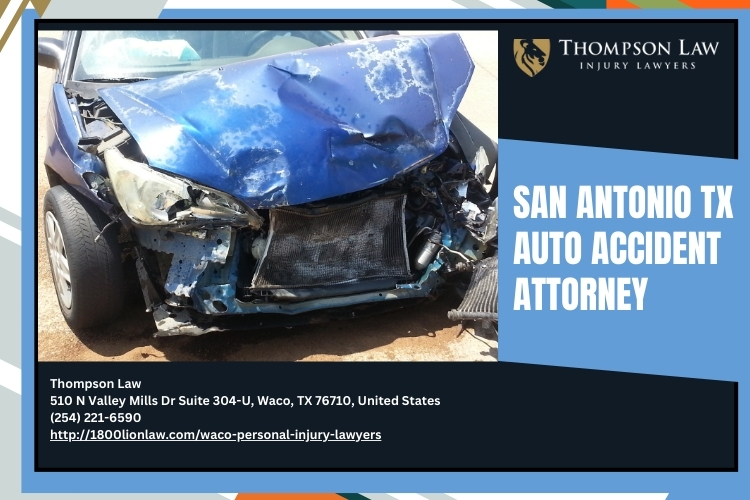
The same goes for vehicle damage. Property damage photos often influence how an adjuster views injury severity, fairly or not. If your bumper is cracked and the car is drivable, they reflexively discount significant injury claims. That bias can be overcome with objective medical proof and a clear mechanism of injury, but it takes work.
Settlement values in McLennan County run a wide range. Soft tissue cases with consistent therapy and clear liability might resolve for medical bills plus a modest multiple for pain and suffering. Cases involving fractures, surgical recommendations, or traumatic brain injury often move into high five or six figures when liability is strong and coverage allows. Ranges are not promises. Facts and credibility control outcomes.
The role of a Waco auto accident lawyer against comparative fault
Texas comparative fault rules reward early clarity. If the defense can credibly place you at 51 percent, your case evaporates. A Waco auto accident lawyer anticipates the arguments. Speed, distraction, failure to yield, and sudden lane changes often sit at the center. We counter with EDR downloads that show speed and braking, phone records to challenge a defense claim of distraction, and the physical layout of the intersection to demonstrate why your choice was reasonable given sight lines and timing.
Even when your share is small, the dollars matter. On a $100,000 settlement, a 20 percent fault finding cuts your recovery by $20,000. Cleaning up the liability picture is not academic. It puts real money in your pocket.
Commercial vehicles and delivery drivers change the calculus
Crashes with 18‑wheelers, box trucks, or delivery vans involve a different playbook. Federal Motor Carrier Safety Regulations set minimum safety standards. Driver qualification files, hours‑of‑service logs, maintenance records, and dispatch communications can show negligence that goes beyond a single bad lane change. Preservation letters must go out fast. Companies rotate trucks, overwrite electronic data, and let drivers go. A lawyer familiar with trucking litigation will also consider whether the company’s own hiring, training, and supervision created risk, opening the door to negligent entrustment or punitive claims.
The same attention applies to app‑based delivery drivers. Some platforms offer contingent liability coverage while a delivery is active, then disclaim coverage outside those windows. A thorough coverage analysis can prevent missing a policy that dramatically changes your options.

Medical bills, liens, and getting treatment without insurance
Plenty of Waco residents do not have robust health insurance. That should not keep you from seeing a doctor. A lawyer can often arrange treatment through local providers who accept letters of protection, which delays payment until the claim resolves. This is not free care. It is a financing mechanism. Rates can be higher than negotiated health insurance rates, which has pros and cons at settlement. A good attorney weighs both sides, negotiates liens down when possible, and makes sure you understand what you will owe.
Medicare, Medicaid, and ERISA health plans have reimbursement rights. Ignore them and they can disrupt settlement or pursue you later. Complying with these rules does not mean surrendering your recovery. It means verifying amounts, disputing unrelated charges, and applying legal reductions that many plans overlook.
How a case moves from claim to trial
Not every case needs a lawsuit. Many resolve after a thorough demand package lands with the right adjuster. The package should contain liability proof, medical records, billing affidavits, wage documentation, and a well‑supported damages analysis. A slapdash “pay us” letter serves no one.
If negotiations stall, filing suit in McLennan County restarts momentum. Discovery begins: written questions, document exchanges, and depositions. You tell your story under oath. The defense driver and any company reps do the same. Experts weigh in on medical causation, biomechanics, or accident reconstruction as needed. Most cases go to mediation before trial. Good mediators in Waco press both sides to confront risks and numbers candidly. Settlements often materialize when everyone is in the room with full information.
Trial remains the backstop. Jurors want specifics. They study how you handled recovery, whether you tried to get back to normal, and whether your claims sync with the records. A lawyer who has tried cases locally will tailor the presentation to that audience, not to a generic idea of a jury. The preparation itself often drives final settlements, because insurers recognize who is ready and who is bluffing.
What you can do now to strengthen your claim
- Seek consistent medical care and follow recommendations. Keep appointments, do home exercises, and be candid about improvements and setbacks. Photograph injuries and the healing process. Visual timelines help jurors and adjusters understand pain in a way words alone do not. Keep a simple log of symptoms, work limitations, and out‑of‑pocket costs. Small details add up and are easy to forget months later. Stay mindful of social media. Harmless posts can be misread. Assume the defense will see anything public. Consult a lawyer early, even if you think the claim is simple. Quick guidance prevents common mistakes that cost real money.
Fees, costs, and how representation really pays for itself
Most Waco personal injury lawyers work on a contingency fee. You pay nothing up front. The fee is a percentage of the recovery, and the firm advances case costs for records, experts, and filing. Ask about the percentage at each stage, especially if the case goes to trial, and how costs are handled if results fall short. Transparency builds trust, and you should get answers in plain English.
Clients sometimes ask whether they would do better negotiating alone to save the fee. Occasionally, in a minor property damage claim with minimal treatment and clear fault, a quick direct settlement can be fine. Once injuries, lost wages, or future care enter the picture, the math changes. I have negotiated hundreds of claims where the net recovery after fees and costs exceeded the insurer’s best pre‑representation offer by a wide margin, primarily because the claim was fully documented and the insurer knew trial was a real option.
Why choosing a local advocate matters
There is a practical difference between a name on a billboard and a lawyer who knows the Waco courthouse. Local counsel can file swiftly, coordinate with nearby providers, and read the subtle signals in adjuster behavior on Central Texas claims. A Waco car wreck lawyer who has deposed the same defense experts multiple times knows where the arguments crack. That knowledge shows up on the balance sheet, not just the business card.
When you interview lawyers, ask about recent cases similar to yours, not just the biggest verdict in the firm’s history. Ask how often they try cases and who will actually work on yours day to day. Get a feel for their approach to communication. After the initial rush, injury cases involve weeks where nothing dramatic happens. You want a team that updates you anyway and explains the small steps in plain terms.
Edge cases that trip people up
Low‑impact collisions with high medical bills draw scrutiny. Expect the defense to push biomechanical arguments. You can answer with credible medicine and a clear timeline, but do not oversell. Claims involving prior injuries require careful parsing of before and after. Your lawyer should embrace the medical history, not hide it, and use it to show how the crash changed your baseline.
If you were partially at fault, tell your attorney on day one. Surprises help the defense, not you. If you gave a recorded statement that went poorly, provide it immediately. A skilled advocate can often mitigate damage by clarifying context and marshaling independent support.
Pedestrian and cyclist cases bring visibility and right‑of‑way rules into play. Waco has corridors like Franklin Avenue and University Parks Drive where vehicle speeds and pedestrian traffic mix. Mapping sight lines, light timing, and vehicle speed with a reconstruction expert can anchor liability even when the initial police report is unhelpful.
The quiet work that makes the difference
The unglamorous tasks often decide outcomes. Tracking down an out‑of‑state radiologist to get a short causation letter. Noticing that a “policy limits” claim ignores an umbrella policy tied to a rental business. Calling a treating physical therapist to clarify why gaps in visits reflect insurance delays, not noncompliance. None of these make headlines, but they move numbers.
A good lawyer brings judgment to that work. Not every medical test helps. Sometimes an extra MRI adds cost without changing the treatment plan or the value equation. Sometimes accepting a reasonable offer now beats waiting six months for a marginal improvement that gets eaten by litigation costs. Your advocate should talk through those choices like a partner, not a cheerleader.
When the at‑fault driver is uninsured or underinsured
Central Texas sees its share of underinsured drivers. If you carry uninsured and underinsured motorist coverage, it becomes vital. Many people buy the state minimum limits without realizing how quickly hospital bills can exceed them. A lawyer will present your UM/UIM claim to your own insurer, which treats you as an adversary for valuation purposes. The claim follows similar steps: documentation, medical proof, and negotiation. Texas law allows a direct action against your UM/UIM carrier, but strategy depends on facts and the carrier’s posture.
Personal Injury Protection, if you elected it, pays certain medical and lost wage benefits regardless of fault. It is not mandatory in Texas, but insurers must offer it. If you declined it, you likely signed a waiver. If you have it, your lawyer will coordinate PIP benefits to ease cash flow while the broader claim runs its course.
A word on dignity and pace
Injury claims are slow because the human body is slow. Bones mend in weeks, soft tissues in months, nerves in their own time. Courts and insurers follow that pace whether we like it or not. A Waco personal injury lawyer protects your rights by matching that human pace with a legal one: steady documentation, timely filings, and pressure applied when it counts. The goal is not to make a lawsuit your full‑time job. It is to give you space to heal while someone else carries the weight.
If you were hurt in Waco, you have options. Speak with a lawyer who will listen before advising. Bring your questions about fees, timelines, and next steps. Bring your discharge papers and photos. The right counsel will turn that raw material into a plan, then into leverage, then into a recovery that reflects what you have lost and what it will take to move forward.
Contact Us
Thompson Law
510 N Valley Mills Dr Suite 304-U,
Waco, TX 76710, United States
Phone: (254) 221-6590